跳到内容
跳到内容 
Drainage Composite
Home /Products/Drainage
What is Drainage Composite?
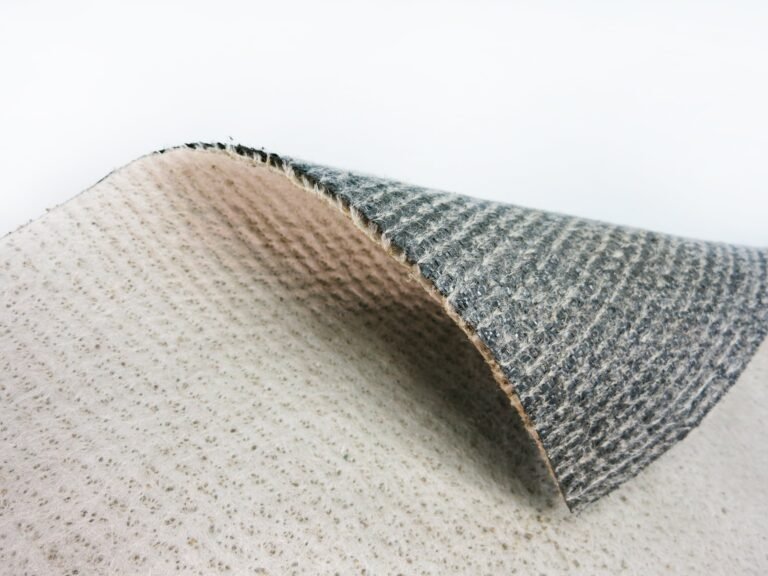
Drainage composites are used in a wide range of applications, including civil engineering, planar installations, roofing, and landfill projects. These composites are created by combining a drainage core layer (such as a mat, net, or molded element) with one or two layers of geotextiles or geomembranes during manufacturing. They perform functions such as filtration, separation, and, in some cases, additional functions such as protection.
What are the benefits to use Drainage Composite?
Drainage composites are super useful in civil engineering, landscaping, and construction projects. They help manage water and make structures last longer. Here are some reasons why you should use drainage composites:
- High Efficiency in Water Drainage: Drainage composites are designed to facilitate rapid removal of water, reducing hydrostatic pressure against structures and preventing water accumulation and related damage.
- Lightweight and Easy to Install: Compared to traditional drainage materials like gravel and sand, drainage composites are lightweight, easy to handle, and can be installed quickly, reducing labor costs and speeding up construction timelines.
- Durability and Longevity: Made from synthetic materials, these composites are resistant to biological degradation, chemicals, and other environmental factors, ensuring long-term performance without the need for frequent replacement or maintenance.
- Space Saving: Drainage composites provide efficient drainage in a much thinner profile than traditional systems. This space-saving attribute is particularly beneficial in applications where space is limited, such as green roofs or underground parking structures.
- Versatility: Available in various configurations, drainage composites can serve multiple functions—drainage, filtration, and protection—within a single product. This versatility makes them suitable for a wide range of applications, from foundation walls to landfill covers.
- Environmental Benefits: By reducing the need for natural aggregate materials, drainage composites contribute to resource conservation. They also promote better water management practices, helping to protect ecosystems from excessive water runoff and erosion.
- Cost-Effective: The initial investment in drainage composites can lead to cost savings over the project’s lifespan. Reduced material costs, quicker installation, and minimal maintenance requirements all contribute to a lower total cost of ownership.
- Improved Structural Protection: By efficiently managing water, drainage composites protect structures from water damage, such as cracking, leaks, and foundation erosion, thereby extending the lifespan of buildings and infrastructure.
- Customization and Compatibility: Drainage composites can be tailored to meet the specific needs of a project, including custom sizes and flow capacities. They are also compatible with various waterproofing membranes and other construction materials, ensuring seamless integration into construction projects.
What are the usages of Drainage Composite?
- Foundations: Applied to the outside of foundation walls to relieve hydrostatic pressure and prevent water from getting into basement walls, protecting against moisture damage.
- Green Roofs and Landscaped Decks: Used in green roofing systems and landscaped decks to ensure proper water drainage while also retaining enough moisture for plant growth. They prevent waterlogging and root rot in vegetation areas.
- Retaining Walls: Installed behind retaining walls to prevent the buildup of hydrostatic pressure and improve the stability of the wall structure by draining water away from the wall.
- Roadways and Pavements: Used under roadways and pavements to improve subgrade performance by providing efficient drainage, which helps prevent freeze-thaw damage and extend the life of the pavement structure.
- Landfills and Waste Containment: Used within the liner systems in landfill applications to manage leachate collection and removal, reducing the potential for groundwater contamination.
- Tunnels and Underground Structures: Used within or around tunnels and other underground structures to manage water ingress, protecting the structural integrity and reducing maintenance needs.
- Sports Fields and Recreational Areas: Used under artificial turf and natural grass sports fields to allow for quick drainage, improving field conditions and playability regardless of the weather.
- Golf Courses: Used in golf course construction, particularly in greens and bunkers, to ensure efficient drainage and maintain optimal playing conditions.
- Planters and Landscape Features: Used in urban landscaping in planters and landscape features to manage water efficiently, supporting healthy plant growth without waterlogging.
- Civil Infrastructure Projects: Used in various civil infrastructure projects such as airports, railways, and dams for water management and soil stabilization purposes.

Geonet Composite
Geonet Composite consists of a high-density polyethylene tri-planar core that provides highly channelized transmissivity. The very low compressibility offers high discharge capacity under high surcharge loads and is used in many drainage applications to replace conventional drainage gravel layers and conserve natural resources. The core can be further combined with one or two layers of polypropylene filter geotextiles.
Application
- Landfills and Waste Containment
- Basal Reinforcement
- Erosion Control
- Snow Barriers
- Soil Stabilisation & Pavements
Application
- Landfills and Waste Containment
- Basal Reinforcement
- Erosion Control
- Snow Barriers
- Soil Stabilisation & Pavements
W-Shape Drainage Geocomposite
W-Shape is a geocomposite for planar drainage with a draining core in extruded monofilaments. The draining three-dimensional core will have a “W” configuration as longitudinal parallel channels.
It can be realized by alternatively thermobonding the drainage core with
- two filtering nonwoven geotextiles that may be working as separation or protection layers
- one filtering nonwoven geotextiles
- one filtering nonwoven geotextiles and one polymeric reinforced membrane

Drainage Cell
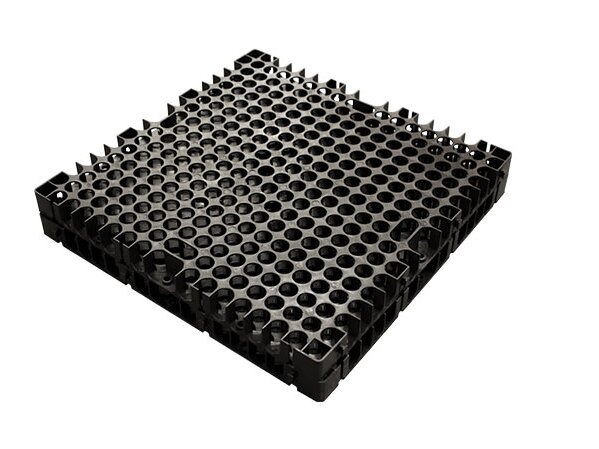
Drainage Cell creates a permanent non-clogging void between the concrete slab and the soil profile that will not collapse or distort. The 30mm void enables a direct flow of water to designated outlets avoiding the risk of water build-up and penetration.
The large surface and capacity void space enables superior drainage efficiency compared to the small voids created by using a gravel system. The lightweight nature of this product reduces weight on the structure by 98% over gravel making it the perfect choice for planter boxes, of gardens and landscaped podiums.
Application
- Green Roofs and Gardens
- Landscaping
- Slope Stabilization
- Retaining Walls
- Roadways and Parking
Application
- Plaza Decks, Roof Decks and Planters
- Retaining Walls
- Foundations and Basement Drains
- Landscaping
Dimple Sheet Drain Composite
Dimple Sheet Drain Composite is made from virgin material HDPE with a Nonwoven geotextile layer, forming a very high strength crush resistant drainage board. Designed specifically for use in retaining wall construction or rooftop gardens as a filtration and drainage layer to efficiently collect and channel seepage or ground water preventing the build-up of hydrostatic pressure.

Let's discuss your Need
Related products